Bilbao, San Sebastián, and a Winery in a Cave: My Basque Country itinerary
I’ve been living in Spain for years, and the Basque Country still catches me off guard every single time I go. Planning a Basque Country itinerary that does this region justice is one of my favorite things to help travelers with. It’s the region that ruins you for everywhere else, in the best possible way.
Bilbao is sophisticated and a little gritty in exactly the right proportions. San Sebastián is so beautiful it almost feels unfair. And the Rioja wine country is one of the most underrated wine experiences in all of Europe. Combine those three and you’ve got a loop that covers architecture, food culture, village life, coastline. Add some of the most ancient geology on the planet and you’ve got a winning Spain vacation all within a manageable drive.
This Basque Country Spain itinerary is for travelers who want more than a checklist. I’ll give you the framework, the insider details, and honest advice on timing, transport, and what to skip.
How Long Should Your Basque Country itinerary Be?
The Basque Country rewards more time, but even a long weekend gets you somewhere meaningful. Here’s how to think about it:
3 Days — The Focused Loop
Day 1: Arrive Bilbao — explore the Casco Viejo, visit the Guggenheim, dinner at a local restaurant.
Day 2: Drive to San Sebastián (1 hour). Spend the afternoon in La Parte Vieja (Old Town), and finish the day with an evening pintxos crawl.
Day 3: Morning in San Sebastián, then either drive back through Rioja wine country or return directly to Bilbao.
This works if your time is tight. You’ll scratch the surface in a meaningful way — but you will wish you had more time.
5–6 Days — The Sweet Spot
This is what I recommend to most of my clients who are adding the Basque Country to a larger Spain trip. It gives you time to breathe — first, a half day in a Basque village that nobody else is visiting. Then a morning winery visit without rushing and a long lunch that turns into a late afternoon.
Day 1: Arrive Bilbao. Check in, wander the Casco Viejo, adjust to Spain time.
Day 2: Bilbao full day — Guggenheim Museum, Mercado de la Ribera, dinner at La Viña de Henao (more on this below).
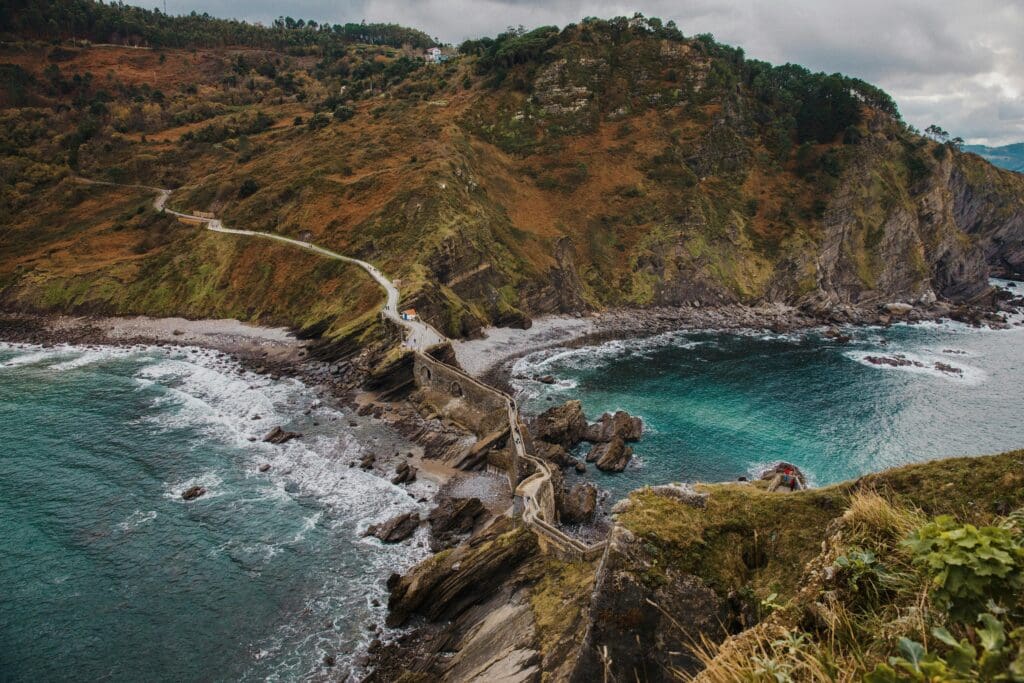
Day 3: Morning drive to Zumaia to explore its coastal area. Walk the Geopark Lookout Trail, beach stop. Opt for lunch in Zumaia or San Sebastián before heading back to Bilbao.
Day 4: San Sebastián — Monte Urgull or La Concha beach morning, Old Town afternoon, evening pintxos at La Cuchara de San Telmo.
Day 5: Drive to Rioja wine country (about 1.5 hours). Visit Bodegas Lecea, lunch in Haro or Logroño.
Day 6: Optional village stop at Olite before returning to Bilbao or onward to your next destination.
7–9 Days — The Full Immersion
Add a night in the Rioja, an extra day for hiking or boat tours along the flysch coastline, a slower morning in a village, and time to actually sit somewhere and do nothing. This is genuinely something Basques are very good at and most American travelers don’t build into their trips. This length is ideal if the Basque Country is the primary focus of your Spain visit rather than one stop on a longer route. Not sure how to fit it into a bigger trip? I can help you build a custom Spain itinerary that connects the Basque Country with Madrid, Barcelona, or Andalusia.
Getting Around on Your Basque Country Itinerary
You have two good options here, and which one works for you depends on your comfort level and travel style.
Renting a car is my recommendation if you like flexibility. The roads are easy to navigate, signage is clear, and having your own wheels means you have options. You can stop in a village on a whim or add an extra coastal detour without coordinating with anyone. Parking in Bilbao and San Sebastián city centers can be annoying, so book a hotel with parking or plan to use public garages. Gas and tolls on the autopistas (highways) add up — budget accordingly.
A private driver/guide is worth it if you’d rather fully relax, if wine is a major focus (which it should be in Rioja), or if you want someone who knows the region to make decisions for you. It removes the logistical stress entirely and adds a layer of local knowledge you just can’t replicate with a GPS. Side note: Many of my clients also pair the Basque Country with a few days in Barcelona or Madrid. If that’s on your radar, my Barcelona guide for first time visitors and the perfect 3 day Madrid itinerary are great next reads.
Bilbao and San Sebastián are both very walkable within their city centers. You don’t need a car once you’re parked — these are cities meant to be explored on foot.
Basque Country itinerary options by Season
The Basque Country’s reputation for rain is something every traveler building a Basque Country itinerary should know about upfront.
Spring (April–June)
This is probably the best all-around season. The landscape is impossibly green, crowds are manageable, and the weather is mild. Think 60s°F, occasional showers, nothing dramatic. Festival season starts picking up. This is when I’d personally choose to go if I could only pick one window.
Summer (July–August)
San Sebastián in summer is beautiful and absolutely packed. The city fills with Spanish vacationers and international tourists. If you’re going in August, book accommodation months in advance and set your expectations for crowds at the pintxos bars. That said, the beaches are genuinely wonderful, the evenings are long and warm, and the energy is electric. Bilbao in summer is also busy but slightly more manageable. The Aste Nagusia festival in Bilbao runs for 9 days in August — pure chaos in the best way.
Fall (September–October)
My personal favorite for wine lovers. Harvest season in Rioja, fewer crowds than August, and the food is at its peak. Wild mushroom season opens up, and you’ll find ingredients on menus that don’t exist the rest of the year. The Grilled Beltza Mushrooms (which I’ll describe below) are worth planning your entire trip around if you’re going in fall. The weather is cool, but still pleasant.
Winter (November–March)
Underrated and under-visited. The Guggenheim is never more peaceful. You’ll share the pintxos bars with actual Basques rather than tourists. It rains more, yes — but the food, the cozy bar culture, and the absence of crowds make it genuinely special. Not ideal for coastal hiking or beach days, but a fantastic time for food and culture focused travelers.
Bilbao: More Than the Guggenheim
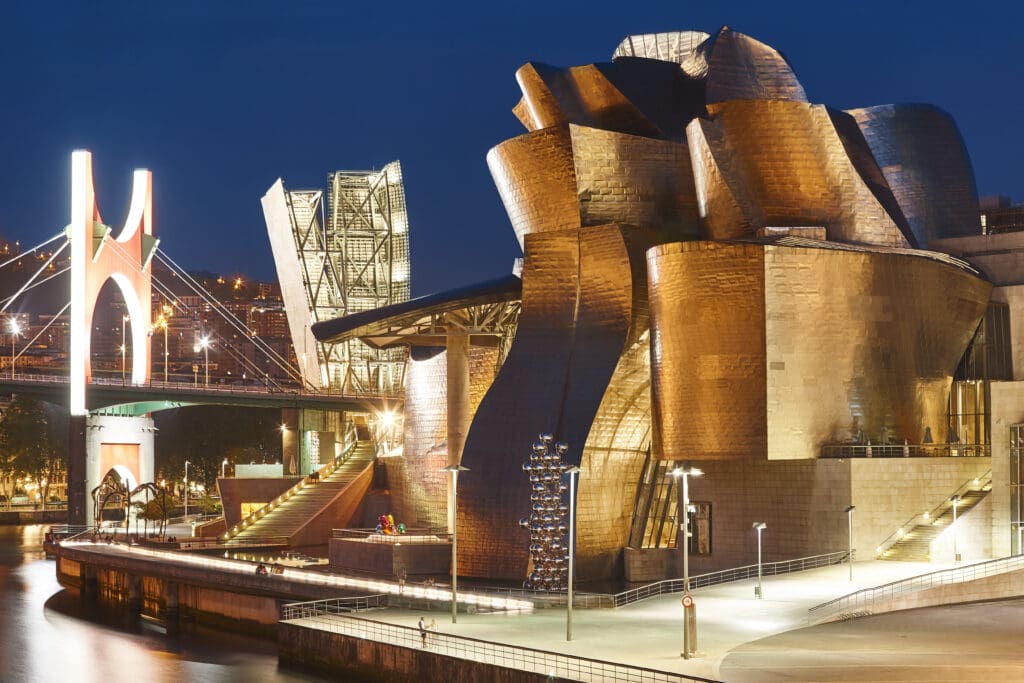
Every visitor comes to see the Guggenheim Bilbao, and they should — Frank Gehry’s titanium-clad building is one of those rare structures that actually lives up to the hype. But if the Guggenheim is your only plan in Bilbao, you’ve undersold yourself a great city.
What to See in Bilbao’s Old Quarter
The Casco Viejo (Old Quarter) is where I spend most of my time. Seven narrow streets — Las Siete Calles — lined with bars, old shops, and the kind of low-key energy that makes you want to slow down. The Mercado de la Ribera, Europe’s largest covered fresh market, is worth a morning visit just to see what’s in season.
The Ría de Bilbao (the river that runs through the city) is beautiful to walk along. The contrast between the industrial heritage and the contemporary architecture tells the story of a city that completely reinvented itself starting in the 1990s.
Where I Eat in Bilbao: La Viña de Henao
Every time I’m in Bilbao, La Viña de Henao is at the top of my list. It offers some of the best food in the entire Basque Country, but how the place feels keeps me coming back. The service is genuinely warm, the space is intimate, and the owners are hands-on in a way you don’t see at restaurants of this caliber. More often than not, Cerrato himself will be your server.
The menu changes daily based on what’s in season, sourced entirely from local vendors. The dishes are creative — Basque tradition with a modern sensibility — without being precious or overthought. This is exactly how I like to eat.
Practical note: They’re open for lunch most days, and dinner only on Fridays and Saturdays. The restaurant is small, so book ahead — this is not a walk-in situation. Worth planning your Bilbao schedule around.
San Sebastián: The Food Capital That Earns Its Reputation
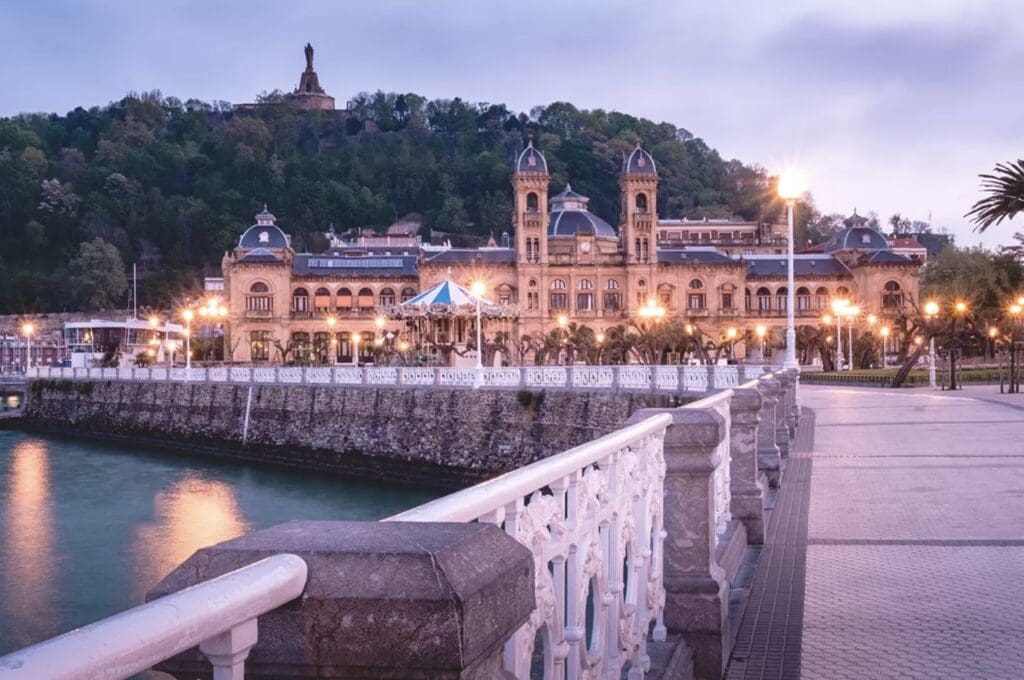
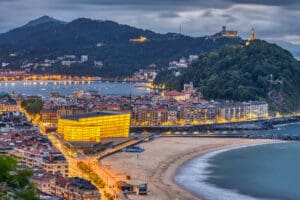
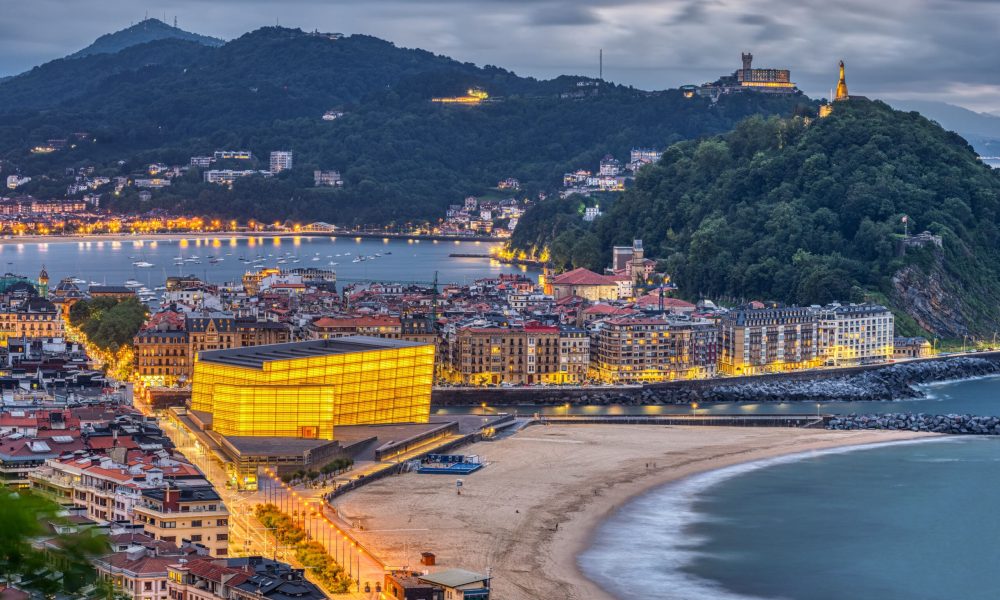
San Sebastián (Donostia in Basque) has more Michelin stars per capita than almost anywhere on earth. The city knows it — but doesn’t let it go to its head. The high-end restaurants coexist comfortably with the modest pintxos bars in the Old Town, and the locals move between both effortlessly.
What to See in San Sebastián
La Concha bay is hands down one of the most beautiful urban beaches in Europe. Monte Urgull gives you panoramic views over the city and the coast. The Parte Vieja (Old Town) is where you’ll spend most of your time. A grid of narrow streets dense with bars, the smell of grilled peppers, and the sound of people enjoying themselves – fantastic!
The Pintxos Bar You Actually Need to Know: La Cuchara de San Telmo
I send every single one of my clients here, and I still go back myself every time I’m in San Sebastián. La Cuchara de San Telmo is tucked down a small alleyway near the San Telmo Museum in the Old Town. You’ll need Google Maps to find it, which is exactly right for a place like this.
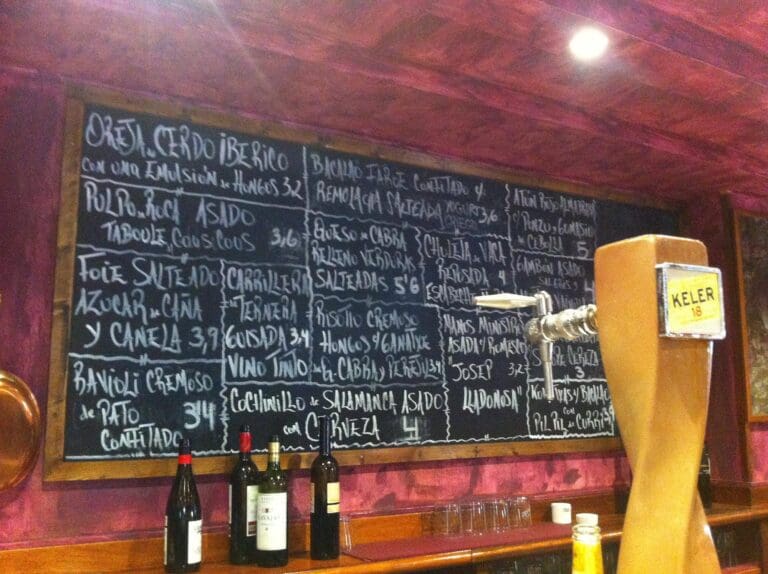
What makes it different from the dozens of good pintxos bars in the Parte Vieja: everything is made to order. You’re not pointing at something sitting on the bar — you’re ordering off a blackboard that changes based on what’s fresh that day. The results are some of the most creative riffs on Basque cuisine I’ve encountered anywhere.
What I recommend ordering: If you eat meat, the Cochinillo Asado (roast suckling pig) and the Pato Marinado con Soja y Miel (marinated duck with soy and honey) are both exceptional. Vegetarians, the Queso de Cabra Relleno de Verduras — vegetable-stuffed goat cheese — is genuinely delicious, not an afterthought. And if you’re visiting in fall, do not leave without trying the Hongo Beltza a la plancha (grilled Beltza mushrooms). It’s one of those seasonal dishes that makes a strong case for building your travel calendar around food.
Practical note: Go around 7:30–8 PM when it opens for the evening — it fills up fast and there’s no reservation system. This is a standing situation at the bar. Order a glass of txakoli and lean in.
Rioja Wine Country: Better Than You're Expecting
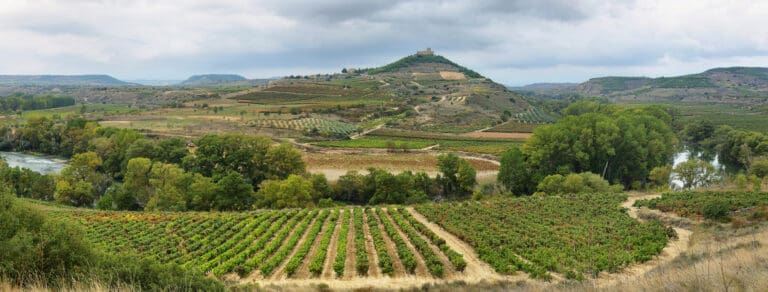
Most American travelers think of Rioja as a style of wine, not a place. The La Rioja region is about 1.5 hours from both Bilbao and San Sebastián by car — an easy half-day or full-day excursion, or a comfortable overnight if you want to slow down.
Haro is the wine capital of the region — a manageable town with a historic center, excellent wine bars, and easy access to the major bodegas. Logroño, the regional capital, is larger and worth at least a stop for pintxos on Calle Laurel, the city’s famous bar street.
The Winery I Keep Going Back To: Bodegas Lecea
There are big-name wineries in Rioja with impressive architecture and slick visitor experiences. Bodegas Lecea is not that — and that’s entirely the point.
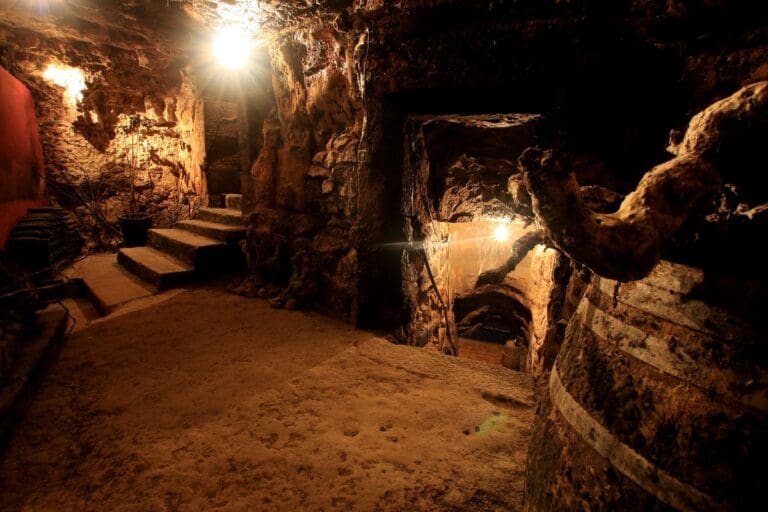
This is a four-generation family winery, and the thing that immediately sets it apart is where they age their wine: a series of underground caves that the family excavated by hand, which maintain a constant temperature of around 55°F year-round. Walking through them is genuinely extraordinary — the combination of the ancient stone, the barrels, and the smell of aging wine is something you don’t forget.
They offer a range of experiences: traditional tastings with a cellar visit, vineyard tours by e-bike, and open-air 4×4 excursions through the vines. What I love most is that the owners typically give the tours themselves. It’s the kind of family pride and direct engagement that you can’t manufacture, and you feel it in every conversation.
What I recommend: If you have the flexibility, book the cellar visit with tasting and ask about the seasonal program. Contact them directly to arrange — this is worth the extra planning step.
The Village Most Visitors Skip: Olite
Olite is technically in Navarre, not the Basque Country — but if you’re traveling by rental car and looping through the Rioja wine country, it’s close enough (about 30 minutes from Pamplona, under two hours from Bilbao or San Sebastián) that skipping it would be a shame. I recommend it to clients on this route consistently, and it never disappoints.
What to See in Olite
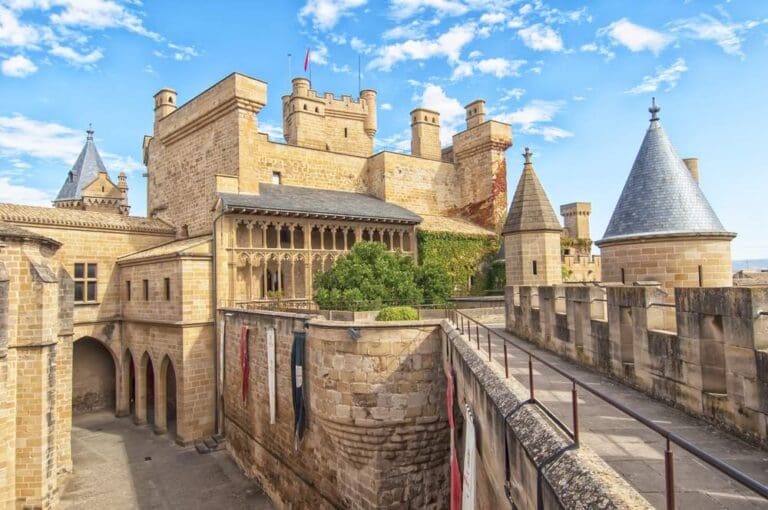
For anyone who loves medieval architecture, Olite is almost absurdly good. The Palacio Real de Olite is one of the best-preserved Gothic palace complexes in the world — towers, turrets, gardens, and connecting walls that look more like a fairy tale illustration than something that actually exists. The village built around it has kept its character remarkably well.
A detail worth knowing: Part of the old castle has been converted into a parador — Spain’s network of government-run luxury hotels in historic buildings. If you want to sleep inside a medieval castle, this is how you do it. Book well in advance. Note: the Parador de Olite is currently closed for renovation and is scheduled to reopen June 2026 — worth checking their site for updated availability before planning around it.
The Outdoor Experience That Will Stay With You: The Flysch Coastline at Zumaia
If you build any outdoor time into your Basque Country itinerary, this is where I’d point you.
Walking the Geopark Lookout Trail
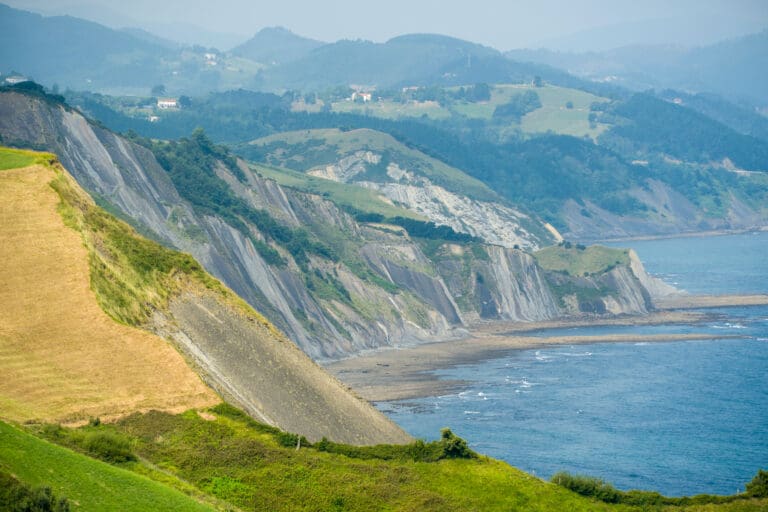
The Geopark Lookout Trail at Zumaia runs about 10 miles along the top of coastal cliffs, and what you’re walking above is extraordinary: flysch formations — over 65 million years old, visible as distinct horizontal stripes in the cliff faces, each layer representing a different geological period as the sea moved in and out, depositing sand and sediment over millions of years. It’s one of the most complete geological records found anywhere on the planet, and you can see it just by looking over the edge of a walking trail.
The trail itself is rated easy-to-moderate and runs along the GR121 coastal route. The views are spectacular even in overcast weather — which, in the Basque Country, you should plan for.
If hiking isn’t your thing: Several boat tour operators run trips along the coast that let you see the flysch formations from the water. A completely different perspective and equally worth it. There are also small beaches near Zumaia where you can swim after the hike if the weather cooperates.
I recommend building Zumaia into the driving day between Bilbao and San Sebastián — it’s right on the route and adds only an hour or two depending on how long you want to walk.
Practical Information
Getting to the Basque Country
Bilbao Airport (BIO) has direct connections from Madrid and Barcelona — about 1 hour by air. Several European cities fly direct too. Alternatively, if you’re already in northern Spain, the train connections through Renfe and the local Euskotren network are comfortable and scenic. That said, the high-speed AVE doesn’t yet reach Bilbao directly — so for most visitors, flying or driving remains the most practical option.
San Sebastián doesn’t have its own major airport — most visitors fly into Bilbao or Biarritz (France, just across the border) and drive or take a bus.
Where to Stay on your Basque Country itinerary
Bilbao: Stay in the Casco Viejo or the Ensanche (the newer grid neighborhood on the other side of the river). Both put you within walking distance of the Guggenheim and the Old Quarter. Boutique hotels here have gotten very good in the last decade.
San Sebastián: Parte Vieja puts you in the middle of the action — great for the pintxos bar experience but can be noisy on weekends. The Gros neighborhood is slightly calmer and still very walkable. Book accommodation well in advance for summer.
Rioja/Olite: Consider at least one night in this area if your schedule allows. The Parador in Olite is a genuine experience. There are also excellent rural accommodations in the wine country itself.
Language
Spanish is universally spoken throughout the Basque Country. Basque (Euskara) is co-official and you’ll see it everywhere on signage — it’s unrelated to any other European language and looks completely unfamiliar, which adds to the sense that you’re somewhere genuinely distinct. A few words of appreciation go a long way: Eskerrik asko (thank you) will get you a smile.
Need help planning your perfect Basque Country itinerary?
This is one of my favorite parts of Spain to help people experience — partly because it genuinely surprises almost everyone who goes, and partly because getting it right requires exactly the kind of local knowledge and timing decisions that are hard to figure out from a travel aggregator.
If you’re thinking about adding the Basque Country to a larger Spain itinerary, or making it the centerpiece of its own trip, I’d love to help you build something that fits your pace, interests, and budget. As a local expert and founder of Best of Spain Travel Planners, I specialize in creating custom Spain itineraries that go well beyond the standard highlight reel.
Fill out my trip planning questionnaire and I’ll get back to you with ideas tailored to your travel style, timing, and budget. Let’s make this the trip you’ll be talking about for years.